
Table of Contents
- Understanding Tennis Tiebreak Rules
- Tiebreak Service Strategy and Rotation
- Mental Toughness Tips for Tiebreak Pressure
- Court Positioning and Shot Selection in Tiebreaks
- Doubles-Specific Tiebreak Tactics
- Tiebreak-Specific Fitness and Hydration
- Common Mistakes to Avoid in Tiebreaks
- Conclusion
Last Updated: August 22, 2026
Understanding Tennis Tiebreak Rules
A tennis tiebreak is a special game played when the set score reaches 6-6, designed to determine a set winner without endless games. The player or team that wins the tiebreak wins the set 7-6. Understanding tiebreak rules is essential for competitive play.
In a tiebreak, players count points as 0, 1, 2, 3, and so on, rather than using the traditional 15, 30, 40, deuce system. The first player to reach seven points with a margin of at least two points wins the tiebreak (itftennis.com). This margin-of-two rule prevents premature endings when players are evenly matched.
First to Seven vs. First to Ten
Most professional matches use first-to-seven scoring, where a player must reach seven points and lead by at least two. Some tournaments use first-to-ten format, particularly in deciding set tiebreaks. Confirm which format applies to your match before play begins.
The shorter first-to-seven format favors aggressive, risk-taking players who capitalize on momentum shifts quickly. The longer first-to-ten format rewards consistency and mental toughness over extended play.
Winning by a Margin of Two Points
The margin-of-two rule creates dramatic, unpredictable tiebreaks. If the score reaches 6-6, play continues until one player leads by exactly two points. A player leading 6-4 isn’t guaranteed victory; the opponent can mount a comeback and force extended play. This dynamic means never giving up mentally, even when trailing.
The margin-of-two rule also explains why aggressive play matters. A single unforced error when leading can swing momentum entirely, allowing your opponent to claw back and potentially win.
When to Change Ends of the Court
Players change ends of the court after every six points in a tiebreak. This changeover provides a brief 90-second recovery window to adjust strategy, hydrate, and mentally reset. If you’re trailing and the changeover approaches, use those final points to make aggressive moves or take calculated risks.
The change of ends also affects court conditions. Wind, sun angle, and temperature can shift between ends. Recognizing these patterns allows you to capitalize on favorable conditions and adjust shot selection when facing less favorable circumstances.
Tiebreak Service Strategy and Rotation
Service rotation in a tiebreak differs from regular games. The player who would normally serve next in the set serves first in the tiebreak, starting from the deuce court. After the first point, service responsibility alternates every two points until one player reaches the required margin of victory.
How Service Rotation Works
The service rotation pattern is: one point by Player A, then two points by Player B, then two points by Player A, and so on (itftennis.com). This alternating pattern ensures fairness while preventing any single player from serving consecutive points early in the tiebreak. Understanding this rotation allows you to prepare mentally for each service change.
In doubles play, partners must coordinate who covers which court and how they’ll work together during opponent service. This coordination becomes critical in close tiebreaks.
Placement and First Serve Percentage
Your first serve percentage becomes even more critical in a tiebreak than in regular games. A high first serve percentage keeps your opponent off balance and prevents them from attacking second serves. Many competitive players aim for a first serve percentage above 60% in tiebreaks, prioritizing consistency and placement over raw power (peer-reviewed research).
Strategic serve placement depends on your opponent’s weaknesses and court positioning. Serving to the weaker side, targeting the body, or using slice serves to move your opponent are valid tactics. At crucial points, such as when trailing 4-5 or leading 6-4, a well-placed serve that forces a weak return can set up an easy winner.

Mental Toughness Tips for Tiebreak Pressure
Winning a tiebreak requires more than technical skill; it demands mental resilience and the ability to perform under pressure. At Crunch Time Coaching, we emphasize that mental toughness is often the deciding factor in close tiebreaks.
Managing Momentum Swings
Momentum in a tiebreak can shift dramatically with a single point or unforced error. A player leading 5-2 can quickly find themselves trailing 5-6 if their opponent wins three consecutive points. Understanding that momentum is temporary helps you stay composed during these swings.
When your opponent gains momentum, avoid panic. Focus on executing one point at a time, returning to fundamentals, and trusting your preparation. When you’re building momentum, don’t become overconfident. Maintain focus on execution rather than celebrating the lead.
Psychological Recovery After Losing a Set Point
Losing a set point creates profound psychological challenge. Recovery requires intentional mental strategies: acknowledge the disappointment without dwelling on it, use the changeover to physically and mentally reset, and remind yourself that losing a set point doesn’t define the match.
Visualization during practice, where you mentally rehearse losing a set point and recovering, builds neural pathways that support resilience during actual competition.
Court Positioning and Shot Selection in Tiebreaks
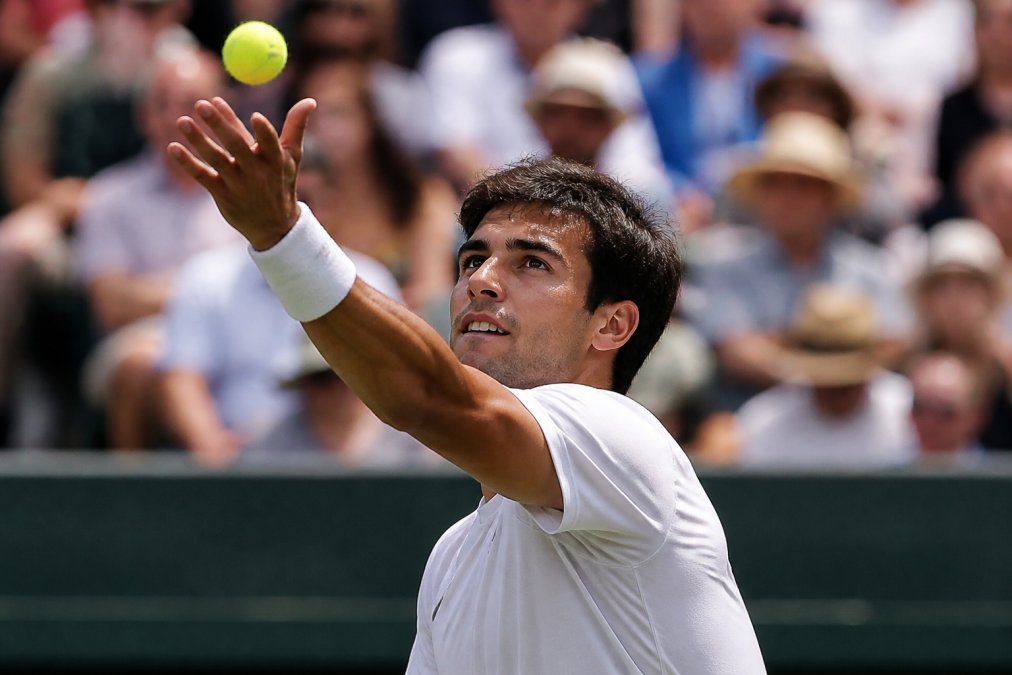
Court positioning and shot selection in a tiebreak differ strategically from regular games because every point matters equally. Your positioning and shot choices must reflect both aggressive intent and calculated risk management. staying calm under pressure.
Baseline Strategy vs. Serve and Volley
Most modern competitive tennis relies on baseline rallies, where players exchange groundstrokes from the back of the court. Baseline strategy works well for players with strong consistency and the ability to hit winners from deep positions. Serve-and-volley, where you advance to the net immediately after serving, is higher-risk but can be devastatingly effective if executed well.
The choice should depend on your strengths, your opponent’s weaknesses, and the match situation. If you’re trailing, aggressive serve-and-volley can swing momentum. If you’re leading, solid baseline play maintains control and minimizes unforced errors.
Aggressive Play and Consistency Balance
The tension between aggressive play and consistency is the most important strategic decision in a tiebreak. When leading, emphasize consistency and let your opponent make errors. When trailing, increase aggression gradually and look for opportunities to attack weaker returns or slow serves.
Elite competitors recognize patterns within the tiebreak and exploit weaknesses aggressively while adjusting risk based on what’s working.
Doubles-Specific Tiebreak Tactics
Doubles tiebreaks introduce additional complexity because coordination between partners becomes critical. The service rotation in doubles differs from singles: partners alternate serving every two points.
Communication and Court Positioning
Effective communication between doubles partners during a tiebreak is non-negotiable. Before the tiebreak begins, discuss your serving strategy, poaching tendencies, and how you’ll handle specific opponent patterns. During the tiebreak, use brief signals and eye contact to coordinate positioning.
Court positioning requires constant adjustment. The serving partner’s partner should position themselves at the net to intercept weak returns. The receiving team should position themselves to defend while preparing to attack if the return is strong.
Targeting Weaker Players and Exploiting Gaps
Identify the weaker player and direct a higher percentage of your serves and aggressive shots toward them. Exploiting gaps between partners is another critical tactic: hit balls down the middle or to the sideline if opponents position themselves too close together, or hit through the middle if they’re spread too wide.
Tiebreak-Specific Fitness and Hydration
Tiebreaks demand intense physical effort over a compressed time period. Cardiovascular conditioning specific to short, intense efforts is crucial for tiebreak success. High-intensity interval training that simulates explosive tiebreak movements builds the anaerobic capacity necessary to sustain peak performance.
Hydration strategy should begin before the match and continue during changeovers. Dehydration impairs decision-making, reduces physical speed, and increases mental fatigue. Take small sips of water or sports drinks during changeovers, and ensure you’re adequately hydrated before the match begins.
Mental fatigue compounds physical fatigue in tiebreaks. Training your mental resilience through practice tiebreaks and match simulation builds the capacity to perform when fatigued.
Common Mistakes to Avoid in Tiebreaks
Many competitive players sabotage their tiebreak performance through preventable mistakes. The most common is playing too cautiously when trailing. This approach rarely works because it allows your opponent to dictate points. Instead, maintain aggressive intent while focusing on execution and placement.
Another frequent error is losing focus on fundamentals. Under pressure, players sometimes abandon proven patterns and attempt shots outside their comfort zone. Stick to your strengths: your best serves, most reliable groundstrokes, and preferred court positions.
Poor serve placement is another critical mistake. Predictable serves are attacked aggressively by experienced opponents. Vary your serve location, speed, and spin throughout the tiebreak. Mental mistakes, dwelling on past points, showing frustration, or losing belief, are equally damaging. Every point is independent. Maintain emotional control, stay positive, and focus entirely on the point you’re currently playing.
Tiebreaks are where championships are decided. The mental toughness and tactical discipline required to win tennis tiebreakers separate competitive players from those stuck on a performance plateau.
At Crunch Time Coaching, our specialized challenge-based curriculum includes dedicated tiebreak training that develops both technical proficiency and mental resilience. Our step-by-step daily lessons focus on the exact skills that win close matches: serve placement, court positioning, pressure management, and aggressive decision-making under stress. The platform’s hands-on approach ensures you’re building the neural pathways and muscle memory that translate to match victories. Reserve Your Spot Today and transform your tiebreak performance into a competitive advantage.
Frequently Asked Questions
Q: Is a tiebreak played to 7 or 10 points?
A: Standard tiebreaks are first to 7 points with a margin of two. However, fifth-set tiebreaks in some tournaments use a 10-point format. Always confirm the specific rules before your match. Most recreational and professional matches use the traditional first-to-7 tiebreak, but knowing the format beforehand helps you mentally prepare and adjust your strategy accordingly.
Q: What is the correct service rotation in a tiebreak?
A: The player who would serve next in the set serves first in the tiebreak for one point. Then the opponent serves for two points. Service rotation continues alternating every two points until the tiebreak ends. After every six points combined, players change ends of the court. Understanding this tiebreak service strategy prevents confusion and helps you plan your serving patterns and pressure points.
Q: How do you maintain mental focus during a tiebreak?
A: Focus on one point at a time rather than the overall score. Use breathing techniques between points to manage tension. Develop a pre-serve routine that keeps you grounded. Tennis mental toughness tips include staying positive after mistakes and remembering that momentum can shift quickly. Practice visualizing successful shots before serving, and avoid dwelling on missed opportunities.
Q: What's the most important tennis tiebreak rule to remember?
A: The margin of two points is critical: you must win by at least two points, not just reach seven. This means if the score reaches 6-6, play continues until someone leads by two. Additionally, service rotation changes every point in a tiebreak, unlike regular games. Knowing these tennis tiebreak rules prevents costly mistakes and helps you understand when the tiebreak actually ends.
This article was written using GrandRanker