
Table of Contents
- Why Mental Toughness Decides Tiebreakers
- How to Handle Pressure in Tennis Matches
- Building a Pre-Point Routine for Tennis
- Self-Talk and Affirmations That Work
- Tennis Tiebreaker Strategy: Mental Integration
- Visual Imagery and Peak Performance Visualization
- Managing Emotional Regulation and Composure
- Common Mental Mistakes in Tiebreakers
Last Updated: August 30, 2026
Why Mental Toughness Decides Tiebreakers
Mental toughness separates champions from the rest. When points matter most, your mind either works for you or against you. The player who maintains composure, executes strategically, and avoids self-doubt wins, regardless of raw skill level.
A tiebreaker is a psychological crucible. You’re playing first-to-seven with everything on the line. One lapse in focus costs you the match. This guide covers the exact mental toughness tips that separate match winners from players stuck on a plateau. You’ll learn how to build unshakeable composure, manage pressure, and execute a pre-point routine that keeps you locked in when it matters most.
How to Handle Pressure in Tennis Matches
Pressure is the feeling that your performance matters. Most players interpret pressure as a threat, triggering shallow breathing, muscle tension, and narrow decision-making. This is choking.
The best way to handle pressure is to reframe it as information, not threat. Pressure means you care about the outcome. Elite athletes don’t eliminate pressure; they channel it into focus and intensity.
Pressure spikes your heart rate and floods your system with adrenaline, which sharpens reflexes and increases power, but only if you control it (peer-reviewed research). If you let it control you, your hands shake, timing falls apart, and unforced errors multiply.
The fix starts with breathing. Between points in a tiebreaker, take five seconds to reset. Walk to the baseline. Take two deep breaths through your nose, exhale slowly through your mouth. This single habit transforms how you respond to pressure.
The second layer is acceptance. You cannot control the outcome. You can control your effort, focus, and decision-making on each point. Once you stop fighting reality, pressure loses its grip.
Building a Pre-Point Routine for Tennis
A pre-point routine is a sequence of physical and mental actions you perform before every point. It’s your anchor. When chaos surrounds you, your routine keeps you tethered to execution.
The best pre-point routines are identical every single time. This consistency trains your brain to shift into execution mode automatically. You don’t think about what to do; you just do it.

The Three-Step Breathing Reset
Your pre-point routine should begin the moment the previous point ends. Stand at the baseline. Take one deep breath through your nose for a count of four. Hold it for a count of four. Exhale through your mouth for a count of four. This signals to your nervous system that you’re moving on. The last point is gone.
This breathing reset takes eight seconds. In a tiebreaker, you have 25 seconds between points, leaving 17 seconds for the rest of your routine and tactical preparation (itftennis.com).
Tactical Focus Before Serve
After your breathing reset, shift your attention to tactical execution. If you’re serving, decide exactly where you’re placing the serve, the T, the body, the corner. This specificity locks your mind onto execution.
Look at your opponent’s position. Notice if they’re standing too far inside the baseline or favoring one side. Then visualize the serve landing in your target zone and your opponent struggling to return it. This takes five seconds and primes your nervous system for success.
If you’re receiving serve, watch your opponent’s toss, notice their body position, anticipate where the serve is likely to go, and visualize your return landing deep in the court.
Self-Talk and Affirmations That Work
Self-talk is the internal dialogue running through your mind during a match. For most players, this dialogue is destructive: "Don’t double fault. You’re going to lose." This negative self-talk triggers anxiety and undermines performance.
Effective self-talk is specific, present-tense, and action-focused. Instead of "Don’t miss," say "Hit it deep." Instead of "You’re going to lose," say "Win this point." Your brain responds to positive instructions better than negative ones.
During a tiebreaker, keep your self-talk simple. One or two words: "Next point." "Stay focused." "Aggressive." "Breathe." These are tactical reminders that keep your mind on execution.
Affirmations work best when tied to something you’ve already proven. If you’ve hit 100 successful serves in practice, telling yourself "My serve is solid" has power. Build affirmations from your actual strengths.
In a tiebreaker, use one affirmation that counters your specific weakness. If you tend to panic, "I stay calm." If you rush, "I take my time." If you play passive, "I attack." One affirmation, repeated silently between points, anchors your mind to the behavior you need.
Tennis Tiebreaker Strategy: Mental Integration
Mental toughness isn’t separate from tactical strategy; they’re inseparable. The best tiebreaker players integrate psychology and shot selection seamlessly. They make aggressive decisions because they trust their preparation.
Aggressive Point Selection vs. Risk Management
Most players approach tiebreakers defensively, trying not to lose instead of trying to win. This passive approach loses. The player who takes calculated risks and plays aggressively usually wins.
Aggression without strategy is recklessness. The key is aggressive point selection: identifying specific moments where you have a tactical advantage and attacking ruthlessly. If your opponent struggles with high forehands, hit high forehands and attack the next ball. If they’re standing too far back, come to net aggressively.
This requires mental clarity. Your mind must stay two points ahead. What’s your opponent’s pattern? What’s their weakness? Where can you create an advantage? Players who think tactically stay composed because they’re executing a plan, not reacting emotionally.
Risk management means knowing the difference between aggressive and reckless. Hit winners off balls you can control. A 70% confidence shot is worth hitting in a tiebreaker. A 40% confidence shot isn’t.
Reading Your Opponent’s Mental State
The best tiebreaker players read their opponent’s psychology as carefully as they read their serve motion. Is your opponent tight? Playing tentatively? Frustrated? Confident? Each mental state creates tactical opportunities.
If your opponent is tight, they’re likely to make unforced errors. Don’t give them free points; make them earn it. If they’re playing tentatively, attack aggressively. If they’re frustrated, stay composed and let them beat themselves. If they’re confident, disrupt their rhythm by changing pace and direction.
Reading your opponent’s mental state requires observation between points. Watch how they react to losing a point. Watch how they prepare to serve. These observations take two seconds and give you a psychological edge. improving sports focus.
Visual Imagery and Peak Performance Visualization
Visualization is mental rehearsal. You’re practicing the exact shot or sequence you’re about to hit, in your mind, with perfect execution. This primes your nervous system for success and builds confidence.
In a tiebreaker, visualization happens in real time. After your breathing reset and tactical analysis, spend three seconds visualizing the point. See yourself hitting the serve or return exactly where you want it. See your opponent struggling. See yourself winning the point.
The key is specificity. See the exact serve placement. Hear the sound of the ball hitting the strings. Feel the weight of your racket. The more sensory detail you include, the more powerful the visualization.
In high-pressure moments, visualization keeps your mind focused on execution instead of outcome. You’re not thinking "I need to win this point." You’re thinking "I’m hitting a slice serve to the T, and my opponent is going to struggle with the return."
Managing Emotional Regulation and Composure
Emotional regulation is your ability to feel intense emotions without letting them control your behavior. In a tiebreaker, emotions will spike. The question is whether you manage them or they manage you.
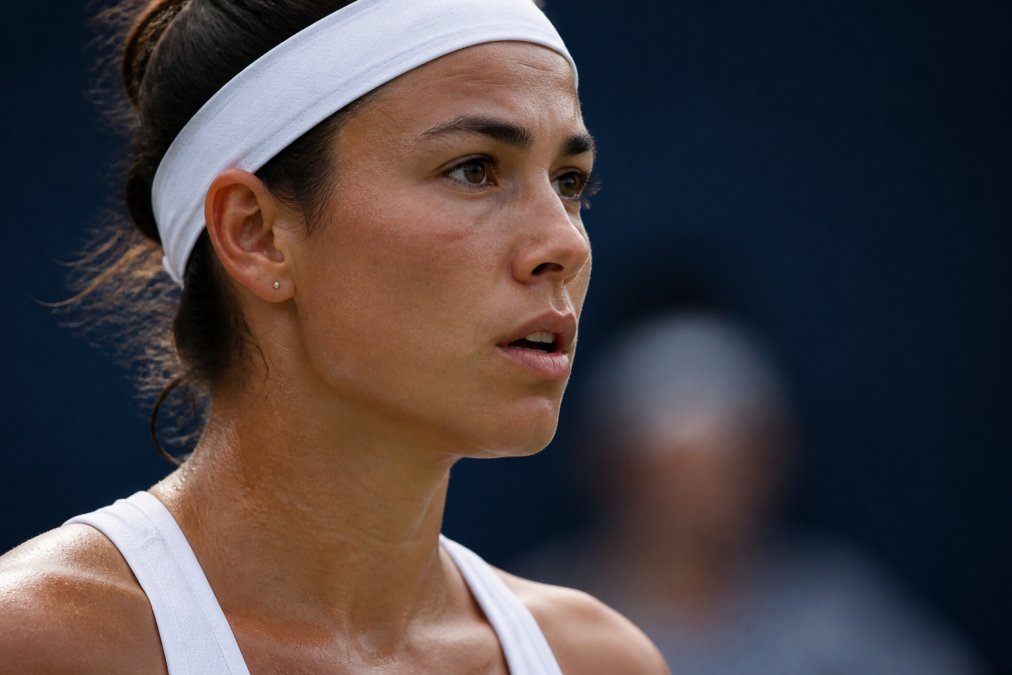
The physiological foundation of composure is your nervous system. When you’re calm, your parasympathetic nervous system is dominant, your heart rate is steady, your breathing is controlled, your thinking is clear. When you’re panicked, your sympathetic nervous system takes over.
The fastest way to shift from sympathetic to parasympathetic activation is controlled breathing. A slow exhale activates your vagus nerve, signaling your body that you’re safe (peer-reviewed research). Your heart rate drops. Your mind clears.
In a tiebreaker, use breathing as your emotional reset button. Frustrated about the last point? Take a reset breath. Anxious about the next point? Take a reset breath. This single tool, practiced consistently, transforms your emotional resilience.
The second layer is acceptance. You will hit unforced errors in a tiebreaker. Your opponent will hit great shots. Accept them. Let them pass. Move to the next point. Players who struggle with composure often replay mistakes instead of preparing for the next one. The moment the point ends, it’s gone.
Between points in a tiebreaker, use a three-second reset: one reset breath, one tactical observation, one visualization. After 50 tiebreakers, this becomes automatic.
Common Mental Mistakes in Tiebreakers
The most common mental mistake is playing not to lose instead of playing to win. This manifests as passive, conservative tennis. In a tiebreaker, the player who takes calculated risks and plays aggressively usually wins.
The second mistake is outcome focus. You’re thinking "I need to win this match" instead of "I need to execute this point." Outcome focus triggers anxiety because outcomes aren’t fully in your control. Point execution is.
The third mistake is dwelling on mistakes. You hit a double fault in the first point, and you’re still thinking about it three points later. This divided attention costs you the next point, amplifying frustration and leading to another mistake.
The fourth mistake is comparing yourself to your opponent. You can’t control their performance. You can only control yours.
The fifth mistake is expecting perfection. Expect mistakes. Plan for them. Accept them. This mental flexibility keeps you resilient.
The sixth mistake is playing too fast. Pressure makes players rush. Slow down. Take your full 25 seconds between points. This deliberate pace keeps your mind clear and your execution sharp.
The biggest trap in tiebreakers is momentum thinking. You lose a point and think “I’m losing the tiebreaker.” Momentum is real, but it’s fragile. One reset breath and refocus on the next point shifts momentum. Don’t let a single point define your mental state.
Mental toughness in tiebreakers isn’t about being fearless; it’s about managing fear strategically. It’s about staying composed when your nervous system is screaming at you to panic. It’s about executing your plan when everything feels chaotic.
At Crunch Time Coaching, we’ve built a complete system for developing this mental resilience. Our step-by-step daily lessons teach you not just how to hit better shots, but how to think under pressure. Our hands-on training sessions let you practice these mental skills in real match situations. You’ll learn the exact pre-point routines, breathing techniques, and tactical frameworks that elite players use to dominate tiebreakers. Ready to transform your mental game? Reserve your spot today and start building the composure that wins matches.
| Mental Skill | Application | Key Practice |
|---|---|---|
| Breathing reset | Between every point | 8-second controlled breath |
| Tactical focus | Before serving or receiving | 3-second opponent analysis |
| Visualization | After tactical focus | 3-second point preview |
| Self-talk | During point execution | One-word tactical reminders |
| Emotional acceptance | After mistakes | Acknowledge, reset, move forward |
| Composure maintenance | Throughout tiebreaker | Consistent pre-point routine |
FAQ
How can I stop choking in tiebreakers?
Choking happens when your nervous system shifts into panic mode. The antidote is a consistent pre-point routine that keeps your mind focused on execution instead of outcome. Practice your breathing reset, tactical analysis, and visualization in every practice tiebreaker. When match day arrives, the routine becomes automatic.
What’s the best mental approach when I’m losing a tiebreaker?
Stop thinking about the score. Focus on the next point only. What’s your tactical plan for this point? What’s your opponent’s weakness? Win the next point, then the one after that. Before you know it, the score has shifted.
How do I build confidence in tiebreakers?
Confidence comes from preparation and evidence. Practice tiebreakers consistently. Track your performance. Build affirmations based on what you’ve actually proven in practice. This evidence-based confidence is unshakeable because it’s rooted in reality.
Should I play differently in a tiebreaker than in a regular game?
Yes. Your tactical principles stay the same, but your aggression level should increase. In a regular game, you can afford to play conservatively. In a tiebreaker, conservative play loses. You need to take calculated risks and attack your opponent’s weaknesses aggressively.
How long does it take to develop mental toughness for tiebreakers?
Mental toughness develops through repetition. You need 50-100 tiebreaker practices where you’re deliberately applying these mental skills. After 50 tiebreakers, your pre-point routine becomes automatic. After 100, your emotional regulation becomes second nature. Each tiebreaker you play with intention builds resilience.
Frequently Asked Questions
How do you stay calm during a high-stakes tennis tiebreaker?
Staying calm in tiebreakers requires a structured pre-point routine combined with controlled breathing. Between points, take three deliberate breaths: inhale for 4 counts, hold for 4, exhale for 4. This activates your parasympathetic nervous system and lowers your heart rate. Pair this with a specific focal point, your racket strings, the ball, or a court line, to anchor your attention away from the scoreboard. Mental toughness in tiebreakers comes from repeating this routine identically for every point, regardless of the score.
What is the best mindset for playing tiebreakers?
The best mindset treats each point as independent, not cumulative. Rather than thinking about the 7-6 lead or the 6-7 deficit, focus on executing your pre-point routine and your next tactical decision. This is called 'process over outcome', control what you can (your breathing, your serve placement, your court positioning) and release what you cannot (your opponent's skill or the weather). Affirmations like 'I execute this point' or 'I trust my preparation' reinforce this frame and reduce performance anxiety.
How can I stop overthinking during critical tennis points?
Overthinking happens when your mind shifts from tactical execution to outcome worry. Combat this by anchoring to your pre-point routine immediately after the previous point ends. Use a physical trigger, bouncing the ball a set number of times, adjusting your strings, or touching your racket, to signal your brain that it's time to execute, not analyze. This breaks the chain of rumination and redirects your focus to the present moment, which is essential for mental toughness in high-pressure situations like match point in a tiebreaker.
What are some pre-point rituals to improve focus in tiebreakers?
Effective pre-point rituals are simple and repeatable. Start at the baseline: take two deep breaths, bounce the ball three times, visualize your serve placement for 2 seconds, then execute. For return of serve, take one breath, get into your return ready position, pick a target on the court, and stay locked on your opponent's racket. The ritual itself matters less than consistency, your brain learns that the ritual signals 'execution mode,' which bypasses overthinking and anxiety. Competitive players who repeat identical rituals for every point report higher composure and better decision-making in tiebreakers.
This article was written using GrandRanker